Specifying wall systems for commercial envelopes means balancing thermal performance, moisture control, code compliance, and facade compatibility—all under tight schedules and tighter budgets. The stakes are high. A wall assembly that looks right on paper but fails in the field leads to callbacks, warranty exposure, and energy performance gaps that show up in commissioning reports.
This guide walks you through the evaluation criteria that matter when comparing CI wall systems. Old Mill Building Products offers Panel+ assemblies designed to address these exact concerns with integrated insulation, a built-in weather barrier, and NFPA 285 compliance. Whether you're detailing a multi-family project or a mixed-use commercial envelope, this resource will help you ask the right questions and specify with confidence.
Key Takeaways: How to Compare CI Wall Systems for Architects
- Evaluate CI wall systems by thermal bridging reduction, R-value per inch, and whole-wall thermal performance—not just nominal insulation values.
- Moisture management includes drainage, vapor control, and drying potential; all three must work together in your climate zone.
- NFPA 285 compliance is required for combustible components in wall assemblies over 40 feet; verify testing documentation early.
- Old Mill Building Products Panel+ integrates insulation, moisture channels, and veneer alignment for faster installs and code-ready performance.
- Facade compatibility determines installation sequence, labor coordination, and long-term aesthetic consistency across the envelope.
What Is a CI Wall System and Why Does It Matter?
A CI (Continuous Insulation) wall system places insulation on the exterior side of the structural wall, uninterrupted by framing members. This configuration directly addresses thermal bridging—the heat transfer that occurs through studs, clips, and other structural elements that penetrate conventional cavity insulation.
Thermal bridging can account for heat loss of up to 30 percent in insulated buildings, according to U.S. Department of Energy research. CI wall systems counter this loss by wrapping the structure in a thermal blanket that maintains consistent R-value across the entire wall area.
How CI Systems Differ from Cavity-Only Insulation
Cavity insulation fills the spaces between studs but does nothing to stop heat from flowing through the framing itself. In a steel-framed wall, studs conduct heat at roughly 400 times the rate of fiberglass insulation. That means your carefully specified R-19 cavity insulation might deliver an effective whole-wall R-value closer to R-7 or R-8.
CI systems address this by creating an unbroken thermal barrier on the exterior. When combined with cavity insulation, they deliver whole-wall performance that actually matches your energy model.
How to Evaluate Thermal Performance in CI Wall Systems
Thermal performance is the primary driver behind CI specifications, but evaluating it correctly requires looking beyond the insulation label. Focus on these factors when comparing systems.
R-Value Per Inch: What the Numbers Mean
Different insulation materials deliver different R-values per inch of thickness. Expanded polystyrene (EPS) typically delivers R-4 to R-4.2 per inch. Extruded polystyrene (XPS) offers R-5 per inch. Polyisocyanurate (polyiso) starts higher at R-6 to R-6.5 per inch but can lose performance at low temperatures.
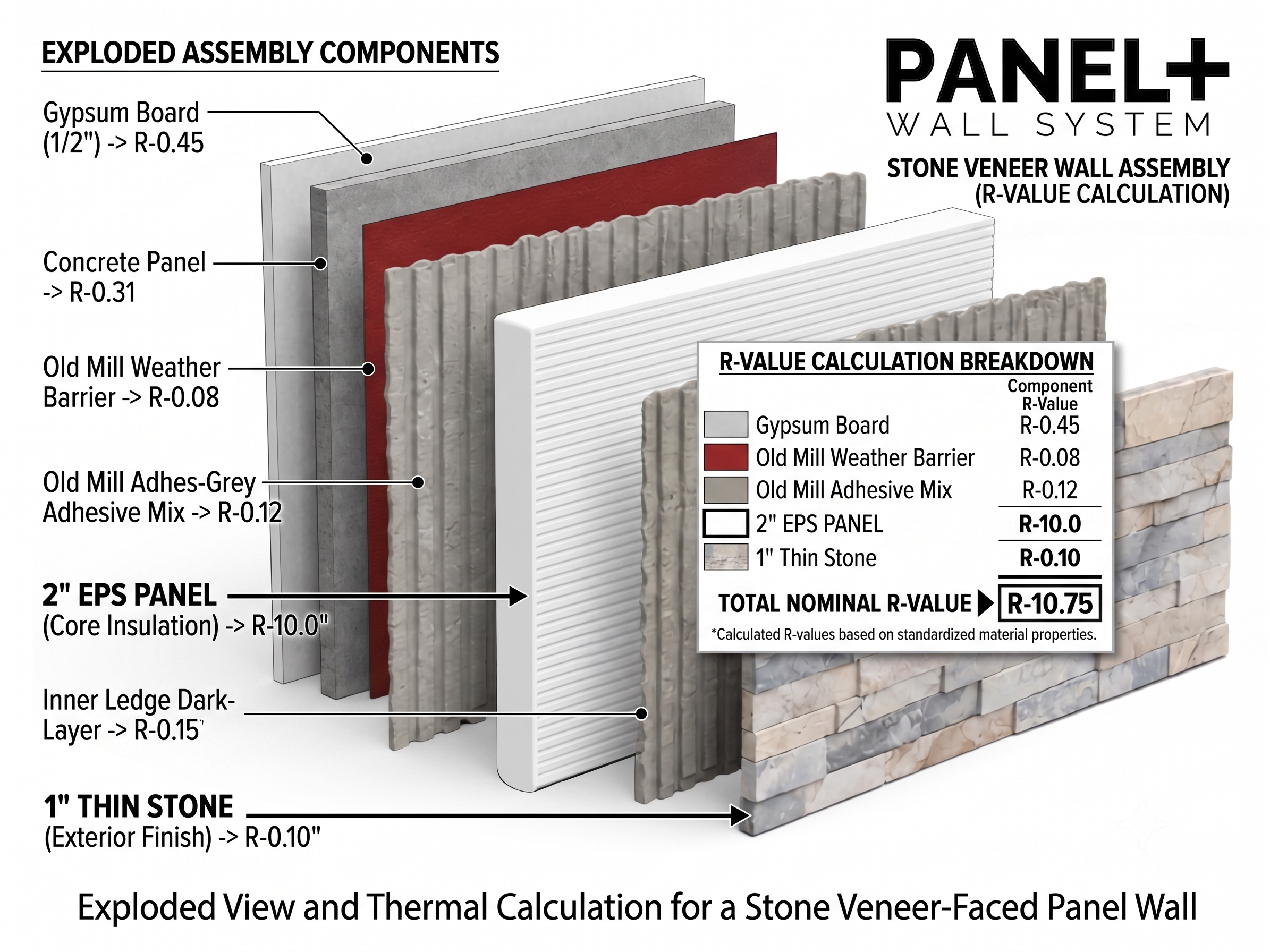
Old Mill Building Products Panel+ uses EPS foam with an R-value of 4.2 per inch, enabling R-values up to 20 with a 4-inch panel. The system is available in 1", 2", 3", 4", and custom thicknesses to meet your target R-value.
Whole-Wall R-Value vs. Nominal R-Value
Nominal R-value is what the manufacturer prints on the label. Whole-wall R-value accounts for thermal bridging through attachments, penetrations, and framing. When evaluating CI systems, ask for whole-wall calculations that include all attachment methods.
Mechanical attachments create thermal bridges. Clip-and-rail systems, insulation screws, and through-wall fasteners all conduct heat. Compare systems based on attachment density and thermal conductivity of the fastening hardware.
Long-Term Thermal Drift Considerations
Some foam insulations experience thermal drift—a gradual reduction in R-value as blowing agents diffuse out of the closed-cell structure. Polyiso is particularly susceptible to performance reduction at temperatures below 40°F. EPS maintains stable R-value across temperature ranges because it uses entrapped air rather than blowing agents.
For projects in cold climates, specify insulation that maintains rated performance at your design temperature, not just at the 75°F lab conditions used in standard testing.
How to Assess Moisture Control in CI Wall Assemblies
Moisture control is where CI wall systems succeed or fail in the field. An assembly that performs well thermally but traps water will degrade, grow mold, and corrode embedded components. Evaluate moisture management across three functions: drainage, vapor control, and drying potential.
Drainage Plane Functionality
Water that penetrates the facade must drain down and out of the assembly before it reaches moisture-sensitive components. Look for systems with dedicated drainage channels or grooves that direct water to weep points at the base of the wall.
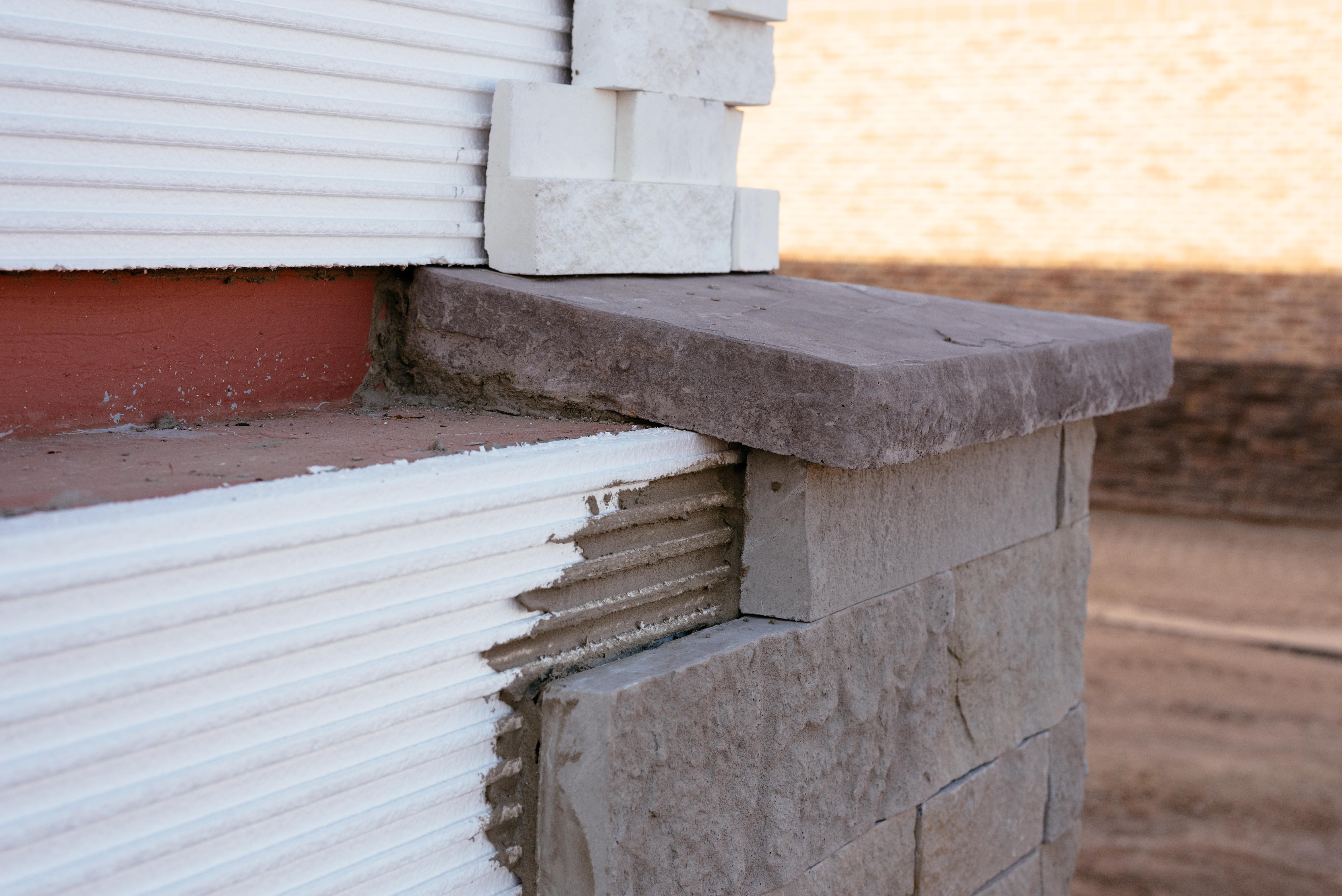
Old Mill Building Products Panel+ is engineered with cross-drainage channels that facilitate efficient water evacuation. This design directs moisture away from sheathing while supporting effective drying of the drainage plane.
Vapor Permeability and Drying Direction
Every wall assembly needs a strategy for vapor movement. In heating-dominated climates, vapor drive moves from the warm interior toward the cold exterior. In cooling-dominated climates, the direction reverses. Mixed climates require assemblies that can dry in both directions.
EPS is vapor-permeable, allowing assemblies to dry to the exterior even when interior vapor retarders are present. XPS and polyiso have lower permeability, which can trap moisture if the assembly design doesn't account for drying paths.
Air Barrier Integration
Air leakage carries far more moisture into wall assemblies than vapor diffusion. A CI system with an integrated air barrier stops convective moisture transport while maintaining the thermal envelope. Panel+ includes a built-in air and water barrier that eliminates the need for a separate wrap, reducing installation steps and potential gaps at seams.
What Code Compliance Factors Matter for CI Wall Systems?
Code compliance for CI wall systems involves fire testing, energy code requirements, and structural attachments. Missing any of these can halt a project during plan review or fail inspection in the field.
NFPA 285 Fire Testing Requirements
NFPA 285 is the fire test standard for exterior wall assemblies containing combustible components in buildings over 40 feet tall. Foam plastic insulation is combustible, which means CI systems used on mid-rise and high-rise projects must pass this rigorous fire test as a complete assembly—not just individual components.
Panel+ assemblies are NFPA 285 compliant, delivering fire safety documentation that streamlines plan review. This compliance covers the foam panel, adhesive, and thin brick or stone veneer as a tested system.
Energy Code R-Value and U-Factor Requirements
ASHRAE 90.1 and the IECC set minimum insulation requirements based on climate zone. For commercial walls in Climate Zone 5, ASHRAE 90.1-2019 requires either R-13 + R-10ci or R-13 + R-15.6ci, depending on the steel framing configuration. Verify that your specified CI system meets the prescriptive R-value or the assembly U-factor through the performance path.
Energy codes are updated on three-year cycles, and many jurisdictions adopt amended versions. Always confirm current requirements with the Authority Having Jurisdiction (AHJ).
Structural Attachment and Wind Load Requirements
CI systems add weight and wind load area to the envelope. Attachment systems must resist both gravity loads and lateral wind pressures while managing thermal bridging. Look for systems with engineered attachment details and load tables that match your project's wind exposure category.
IBC Chapter 16 governs structural requirements, and ASCE 7 defines wind loads. Verify that the CI system manufacturer's literature includes engineering calculations for your building height and exposure.
How Does Facade Compatibility Affect CI System Selection?
Your facade finish determines which CI systems are viable. Not every CI panel supports every veneer type. Evaluate compatibility early to avoid costly redesigns.
Thin Brick and Masonry Veneer Compatibility
Thin brick veneers require a substrate that supports adhesive bond strength and accommodates the weight of fired clay units. Some CI systems use mechanical clips to attach thin brick, while others rely on adhesive-set installations.
Old Mill Building Products Panel+ is designed specifically for thin brick, stone, and tile veneers. The panel surface accepts adhesive directly, and built-in alignment channels ensure consistent joint spacing. This eliminates the need for traditional lath and scratch methods, reducing labor time by up to 60 percent compared to conventional assemblies.
Stucco and Cement Finish Compatibility
Stucco finishes applied over CI require a reinforced base coat and appropriate lath attachment. The CI panel must support the weight of multiple coat layers and accommodate the moisture introduced during application. Look for systems tested with the specific stucco assembly you plan to specify.
Metal Panel and Rainscreen Compatibility
Metal panel rainscreens attach to sub-framing that bridges the CI layer. This creates potential thermal bridges and requires careful detailing at panel clips. Some CI manufacturers offer integrated sub-framing systems; others require field-fabricated solutions. Compare labor requirements and thermal performance of different attachment methods.
What Questions Should You Ask CI System Manufacturers?
Not all CI systems are equal, and manufacturer claims require verification. Use these questions during product evaluation to separate marketing from field performance.
Questions About Testing and Documentation
- Is the system tested as a complete assembly (panel, adhesive, veneer) or as individual components?
- What NFPA 285 test reports are available, and do they match my specified facade?
- Are whole-wall R-value calculations available that include the manufacturer's attachment system?
- What moisture testing has been conducted (ASTM E331 water penetration, for example)?
Questions About Installation and Support
- What installation training is available for contractors?
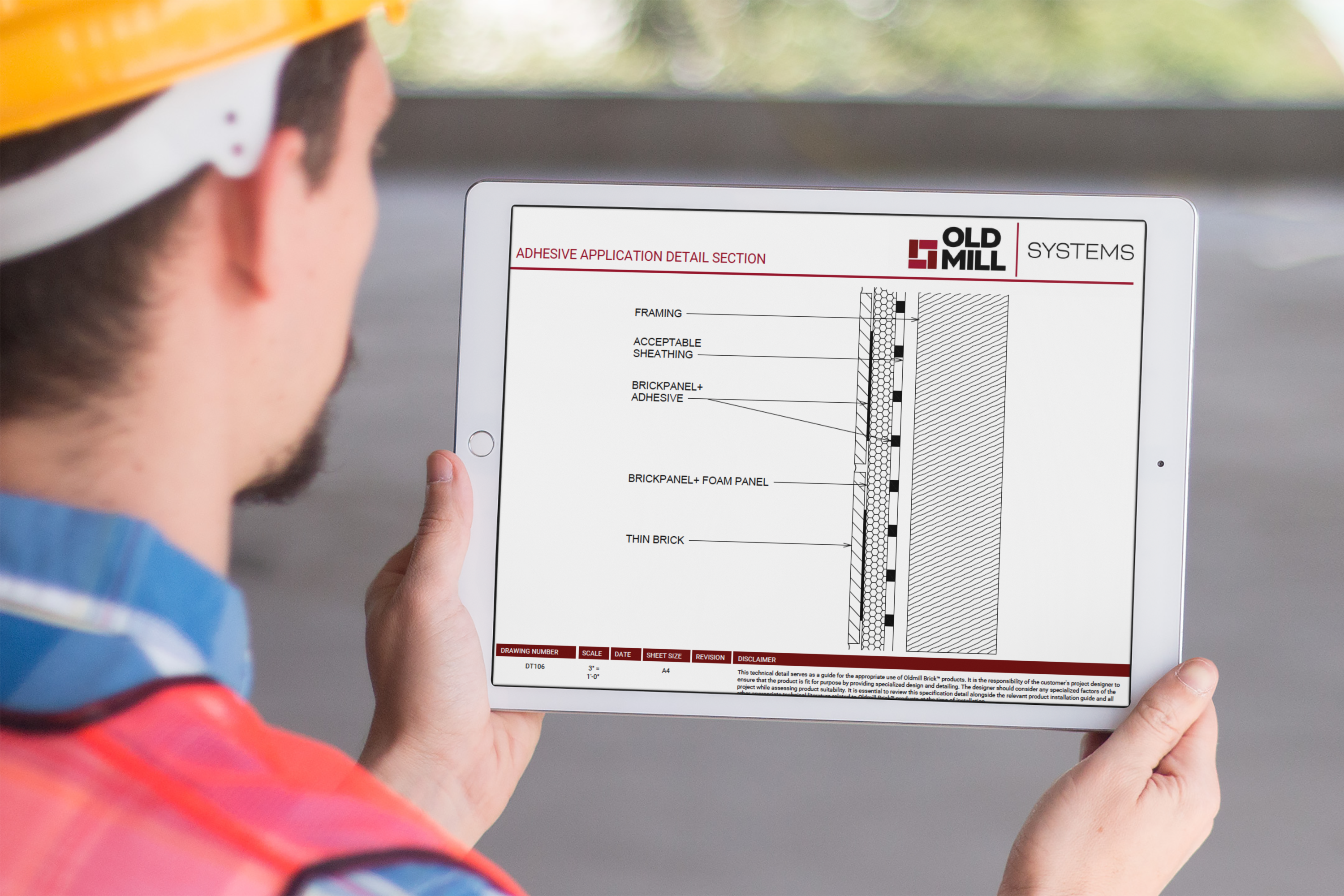
- Are detailed installation guides and CAD details available?
- What technical support is available during design and construction?
- What is the system warranty, and what does it cover?
Old Mill Building Products offers a 15-year system warranty on Panel+, along with responsive technical support, samples, and install guides that help crews execute assemblies correctly.
Questions About Lead Times and Availability
- What are current lead times for standard and custom panel sizes?
- Is the product stocked regionally, or does it ship from a single facility?
- What minimum order quantities apply?
How to Compare CI Wall Systems by Climate Zone
Climate zone affects every aspect of CI system selection—insulation type, vapor strategy, and drainage requirements all shift based on temperature, humidity, and precipitation patterns.
Cold Climate Considerations (Zones 5-8)
In heating-dominated climates, specify CI materials that maintain R-value at low temperatures. EPS outperforms polyiso below 40°F. Vapor retarders belong on the warm side (interior), and the CI layer should be vapor-permeable to allow drying to the exterior during shoulder seasons.
Thermal bridging is most costly in cold climates because heating degree days multiply the energy penalty. Prioritize attachment systems with low thermal conductivity.
Hot-Humid Climate Considerations (Zones 1-3)
In cooling-dominated humid climates, vapor drive reverses—moisture moves from the hot, humid exterior toward the conditioned interior. Avoid interior vapor retarders that can trap moisture. The assembly should dry toward the interior.
Drainage is critical because rain loads are high. Verify that the CI system's drainage channels can handle the volume of water that heavy storms drive against the facade.
Mixed Climate Considerations (Zone 4)
Mixed climates experience both heating and cooling seasons with significant vapor drive in both directions. Specify assemblies that can dry to both interior and exterior. Avoid vapor-impermeable materials on both sides of the wall cavity.
How to Detail CI Wall Systems at Critical Transitions
CI systems fail at transitions—window heads, sills, roof interfaces, and foundation connections. These are the areas where water intrusion occurs and thermal bridging concentrates. Get these details right, or the best CI panel in the world won't save the project.
Window and Door Openings
CI must wrap the jambs, head, and sill of window openings to maintain the thermal envelope. This requires coordination between the CI system, the window frame, and the flashing. Innie windows (set at the exterior face of the CI) and outie windows (set at the interior face) have different detailing requirements.
Verify that the CI manufacturer's installation guide includes window details for your window type and position. Look for tested flashing assemblies that integrate with the CI air barrier.
Roof and Parapet Interfaces
The roof-to-wall transition often gets compromised during construction sequencing. CI must extend to meet the roof insulation without gaps, and the air barrier must tie into the roof air barrier. Parapets need CI on both sides to prevent thermal bridging.
Foundation and Grade-Level Terminations
CI panels below grade require moisture-resistant materials and protection from backfill damage. Above grade, CI must terminate with a finished edge that directs water away from the foundation and allows inspection of the drainage plane weeps.
How Installation Efficiency Affects CI System Value
Labor is the largest variable cost in envelope construction. A CI system that installs faster delivers real savings on the job site—if those savings don't come at the expense of performance or durability.
Single-Source Systems vs. Multi-Trade Assemblies
Multi-trade assemblies require coordination between insulators, lathers, masons, and other trades. Each handoff creates schedule risk and potential for miscommunication. Single-source systems that integrate insulation, substrate, and veneer alignment reduce trade coordination.
Old Mill Building Products Panel+ functions as a single-source system from sheathing to veneer. The panel delivers insulation, air/water barrier, drainage channels, and thin brick alignment in one product—reducing the number of site visits and trade overlaps.
Labor Time Reductions and Installed Cost
Panel+ reduces labor time by up to 60 percent compared to traditional lath and scratch methods. The built-in alignment channels eliminate layout time for thin brick, and the panel's pre-applied air barrier removes a separate installation step.
When comparing CI systems, calculate installed cost—not just material cost. A higher-priced panel that installs in half the time may deliver a lower total cost per square foot.
Quality Control and Callback Reduction
Faster installs matter only if quality stays consistent. Prefabricated systems with built-in alignment reduce reliance on field workmanship for critical tolerances. This consistency shows up in final walkthroughs and long-term performance.
CI Wall System Comparison Checklist for Architects
Use this checklist when evaluating CI wall systems for your next commercial envelope project. Each item represents a decision point that affects performance, schedule, or cost.
Thermal Performance Checklist
- R-value per inch meets project requirements
- Whole-wall R-value calculation available with specified attachment method
- Insulation type maintains performance at design temperature range
- Attachment thermal bridging quantified and acceptable
Moisture Management Checklist
- Drainage channels or grooves present on panel surface
- Vapor permeability appropriate for climate zone and assembly design
- Integrated air barrier or compatible wrap system specified
- Drying path to exterior (or interior) confirmed
Code Compliance Checklist
- NFPA 285 test report available for specified veneer type
- Assembly meets energy code R-value or U-factor requirements
- Structural attachment engineering available for project wind loads
- Local code amendments verified with AHJ
Facade Compatibility Checklist
- Panel surface suitable for specified veneer attachment method
- Manufacturer details available for window, roof, and foundation transitions
- Veneer weight and thickness compatible with panel capacity
FAQs About How to Compare CI Wall Systems for Architects
What is the difference between CI and cavity insulation for commercial walls?
Cavity insulation fills spaces between framing members but doesn't stop heat transfer through studs. CI wraps the entire structure in an unbroken thermal layer on the exterior side. This eliminates thermal bridging and delivers whole-wall R-values that match design calculations.
Old Mill Building Products Panel+ combines CI with an integrated air barrier and drainage channels, addressing thermal performance and moisture control in a single component.
How do I know if a CI system is NFPA 285 compliant?
Request the manufacturer's NFPA 285 test report. The report must show the complete assembly—panel, adhesive, and veneer—not just individual components. Verify that the tested configuration matches your specified materials. Old Mill Building Products Panel+ assemblies are NFPA 285 compliant with thin brick, stone, and tile veneers.
What R-value should I specify for CI in Climate Zone 5?
ASHRAE 90.1-2019 requires R-13 + R-10ci or R-13 + R-15.6ci for steel-framed walls in Climate Zone 5, depending on framing type. Old Mill Building Products Panel+ delivers R-4.2 per inch, enabling R-10.5 with 2.5" panels or R-16.8 with 4" panels. Verify current requirements with your local code authority.
Can CI wall systems support thin brick veneers?
Yes, but not all systems are designed for it. Some require mechanical clips; others accept adhesive-set veneers. Old Mill Building Products Panel+ is engineered specifically for thin brick installation. The panel surface bonds directly to adhesive, and built-in alignment channels eliminate layout guesswork.
How does Panel+ from Old Mill Building Products reduce installation time?
Panel+ integrates insulation, air/water barrier, drainage channels, and veneer alignment into a single panel. This reduces labor time by up to 60 percent compared to assemblies that require separate insulation, wrap, lath, and scratch coat installations. Crews can install thin brick directly to the panel surface without additional substrate preparation.
What moisture management features should I look for in a CI system?
Look for dedicated drainage channels, vapor permeability appropriate for your climate, and an integrated or compatible air barrier. Old Mill Building Products Panel+ includes cross-drainage channels that direct water to weeps, a built-in weather barrier, and EPS insulation that allows drying to the exterior.