Why thin brick CI walls keep causing headaches for design teams
Thin brick continuous insulation wall systems often frustrate architects because they merge code compliance, constructability, and aesthetics into one high‑stakes decision. When coordination slips, walls that looked great in renderings can stumble at permit review, bid pricing, or—worst—during field installation and performance testing.
One recurring pain point is how many requirements pile onto a single assembly. You are balancing IECC or ASHRAE 90.1 energy targets, local amendments, NFPA 285 fire criteria, and demanding owners who still expect a true clay brick aesthetic. As Building Enclosure notes, an envelope‑first mindset is quickly replacing the old “form first, physics second” approach because the stakes around energy and durability are so high.
Coordination also breaks down when each consultant, trade, or manufacturer focuses on its own slice of the wall. Mechanical engineers model U‑values based on idealized details. Façade consultants push for very specific anchors or rails. Contractors value‑engineer attachment systems and swap components late in the game. The result can resemble the “Frankenstein walls” described in Walls & Ceilings—assemblies cobbled together from parts that were never actually tested as a system.
The real risk for design teams is time. Every unclear note about WRB location, fastener embedment, or drainage paths tends to resurface as RFIs and change orders just when the schedule is tightest. That is why many successful teams now begin thin brick CI projects with a one‑page performance brief that calls out climate zone, construction type, height, occupancy, and any LEED or Passive House goals. This simple document becomes a north star for every later decision.
How continuous insulation, brick, and moisture control actually work together
Continuous insulation behind thin brick creates a high‑performance “machine” that must manage heat, air, water, and fire as one coordinated system. Done well, it boosts R‑value, stabilizes interior comfort, and protects structure. Done poorly, it can trap moisture, complicate attachment, or fail fire testing despite complying on paper.
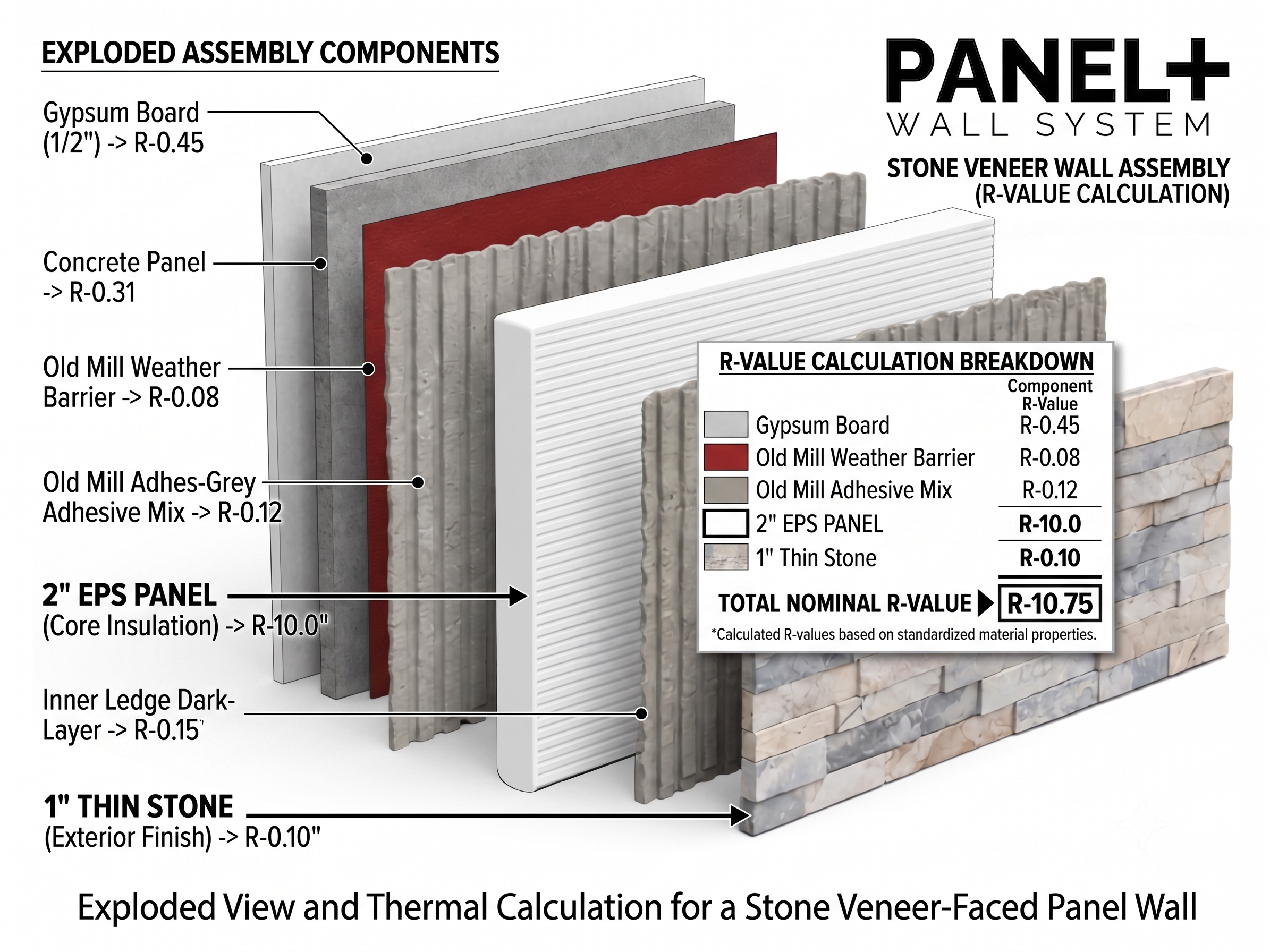
Start with thermal performance. In climate zones 4 through 8, commercial steel‑framed walls lose a significant share of their cavity insulation effectiveness through thermal bridging at studs. Many codes now assume roughly a 30 percent drop in effective R‑value without exterior continuous insulation. That is why systems combining thin brick veneers with CI—whether component‑based or panelized—have become so important for meeting prescriptive R‑values while maintaining slender wall profiles.
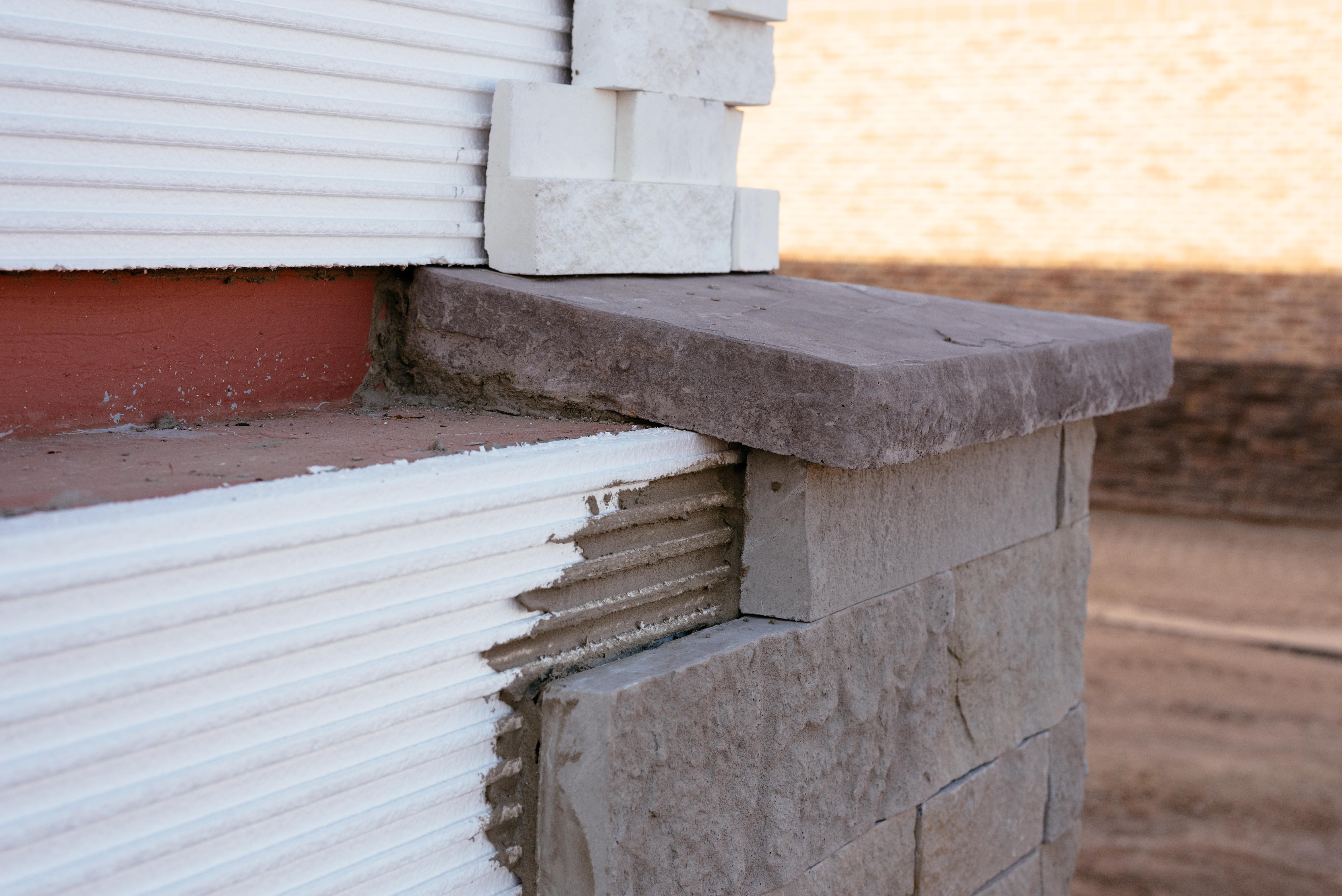
Next, integrate moisture management instead of treating it as an afterthought. Brick rainscreen systems can offer more energy‑efficient, airtight, and sustainable performance than traditional veneer, according to Walls & Ceilings. The key is a clearly defined water‑resistive barrier, a drainage plane with uninterrupted vertical channels, and robust flashing and weeps at every horizontal break—base of wall, window heads, shelf angles, and transitions. Pre‑engineered systems that build cross‑drainage into the panel profile can simplify this coordination.
Fire performance adds another layer of complexity. When foam plastic insulation or combustible WRBs are present in taller noncombustible buildings, NFPA 285 moves from obscure standard to project‑critical requirement. Instead of stitching together individual product reports, many architects now prefer assemblies that have been tested and listed as complete systems. A single, coordinated test report covering insulation thickness, attachment, WRB, and thin brick details is easier to defend in plan review and less likely to spur late redesigns.
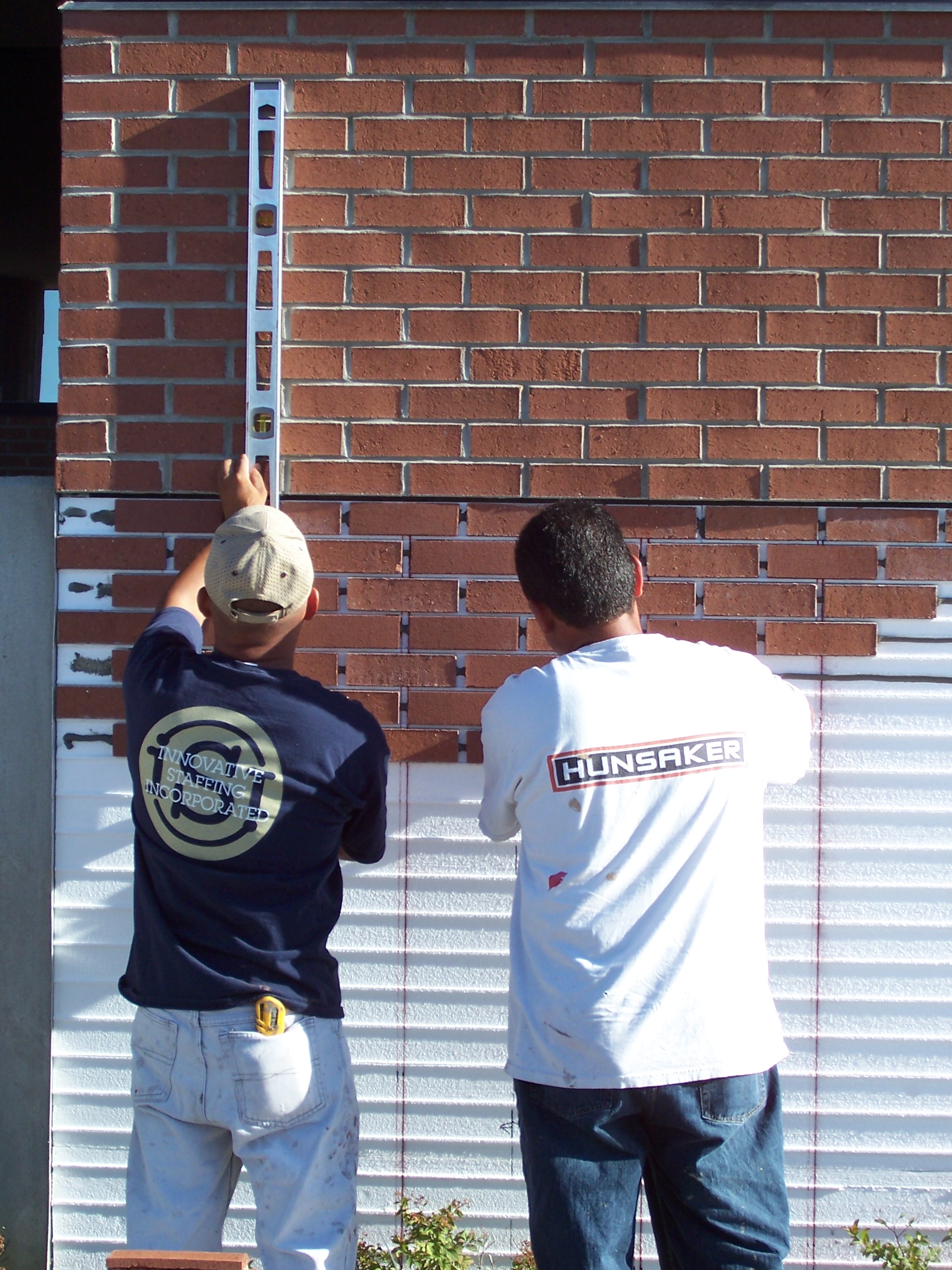
Finally, do not overlook constructability. Window placement relative to the CI layer, fastener embedment through insulation and furring, and the tolerance stack‑up from sheathing to final brick face all influence how installers experience your design. A slim adjustment in window location—from deeply recessed “innie” units to “outie” units aligned with the CI plane—can turn an awkward set of shims into a clean, repeatable detail that field crews understand at a glance.
A smarter way to think about thin brick wall systems on your next project
Reframing thin brick CI assemblies as integrated systems—instead of collections of parts—helps architects reduce risk while protecting design freedom. The smartest move is often to define the performance story first, then select materials, attachment, and layout to support that story rather than chasing individual product features.
One effective tactic is to write a concise performance narrative for the exterior wall in your basis‑of‑design section. In 200–300 words, describe how the assembly will control heat, air, water, and fire, with special attention to transitions like window openings and floor lines. This narrative not only aligns the design team but also tells code officials, contractors, and owners exactly what success looks like in everyday language.
From there, decide where you want to sit on the spectrum between fully custom and fully systematized. Component‑based walls, assembled from separate insulation, WRB, clips, and rails, offer maximum flexibility for unique geometries or mixed claddings. System‑based approaches, such as panelized thin brick CI solutions, trade some mix‑and‑match freedom for clearer warranties, streamlined submittals, and installation workflows that have already been refined on similar projects. The “envelope‑first” thinking promoted by CE Center favors systematization when project risk or schedule pressure is high.
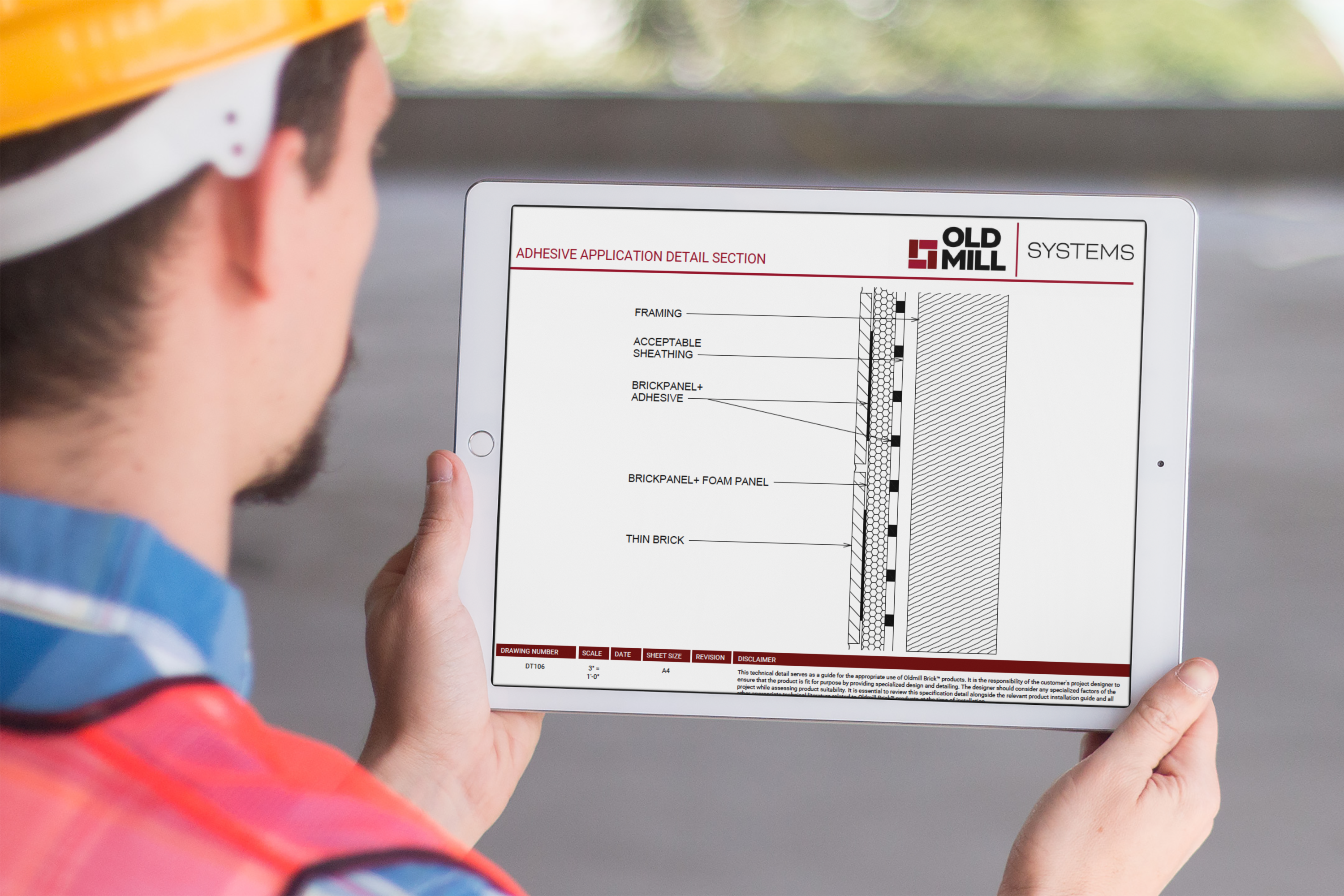
On real jobs, the difference shows up in fewer surprises. A project team that starts with a performance brief, selects tested assemblies, and documents drainage and flashing with simple axonometric diagrams tends to see fewer RFIs and less rework. Installers are not left improvising weep locations or guessing about air barrier continuity. Instead, they follow a clear, coherent intent that respects both building science and jobsite realities.
Over time, this mindset turns thin brick CI walls from a source of last‑minute headaches into a reliable tool in your design kit—one that can meet aggressive energy targets, satisfy fire officials, and still deliver the warm, tactile brick aesthetic clients love.