
Insulated Wall Panels For Thin Brick Wall Systems
Thin brick gives architects, builders, and owners the look of real masonry without the weight and complexity of full-depth brick. But modern exterior wall design has to do more than look good. It also has to meet energy codes, manage moisture, reduce labor, and support long-term building performance.
That is where insulated wall panels change the conversation.
Old Mill Systems’ Panel+ Wall System combines continuous insulation, moisture management, and precision veneer alignment into a coordinated system for thin brick, stone, and tile finishes. Instead of treating insulation, air and water protection, and veneer installation as separate problems, Panel+ brings those parts together in a smarter exterior wall assembly.
For commercial builders, architects, and installers, that means fewer installation steps, better energy performance, and a more predictable path to a finished masonry veneer.
Key Takeaways
- Insulated wall panels support continuous insulation behind thin brick, stone, or tile veneer.
- Panel+ helps reduce thermal bridging by keeping insulation more continuous across the wall.
- Built-in drainage and ventilation channels help moisture move out of the assembly.
- Panel+ supports labor savings of up to 60% compared with traditional methods.
- The system works with Old Mill Weather Barrier, Old Mill adhesives, fasteners, and real veneer finishes.
- Panel+ has passed NFPA 285 testing when installed as part of the tested assembly.
What Are Insulated Wall Panels for Thin Brick?
Insulated wall panels are engineered panels designed to add continuous insulation while creating a reliable surface for adhered veneer. In a thin brick wall system, the panel acts as both an insulation layer and an alignment guide for the veneer finish.
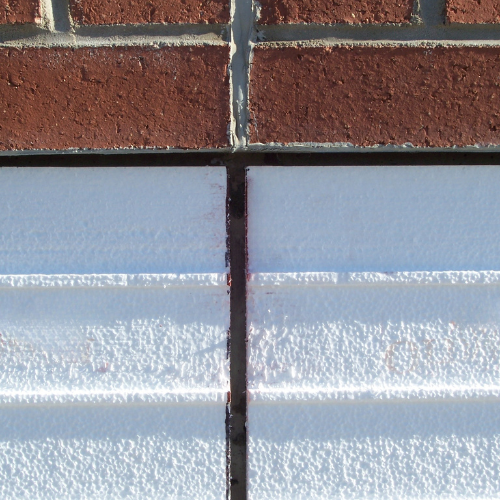
Old Mill Systems’ Panel+ is built around EPS foam panels with guide channels for thin brick, stone, or tile placement. The system is designed to work with Old Mill Weather Barrier, Old Mill adhesives, and approved fasteners to create a complete exterior wall system.
The goal is simple: help crews build a high-performance wall without turning the jobsite into a puzzle of disconnected layers.
How Traditional Thin Brick Wall Systems Are Built
A traditional adhered thin brick exterior can involve several steps and materials. Depending on the assembly, installers may need to coordinate sheathing, weather protection, drainage mats, lath or backer materials, mortar or adhesive, veneer layout, grout, and flashing details.
That approach can work well when designed and installed correctly. The challenge is coordination. Every layer creates another handoff, another inspection point, and another chance for delays or installation errors.
For commercial projects, those small gaps add up. More trades, more steps, and more weather delays can affect schedule, labor cost, and finished quality.
How Panel+ Changes the Assembly
Panel+ simplifies the thin brick wall process by combining several performance needs into one coordinated system.
The EPS foam panel provides continuous insulation. The guide channels help align veneer courses. Drainage and ventilation channels support moisture management behind the veneer. Old Mill Weather Barrier helps protect approved substrates from air and water intrusion. Old Mill adhesives and fasteners complete the attachment strategy.
That does not mean the wall arrives pre-built with brick already attached. It means the system is designed so each layer works together.
For builders, that matters. Crews can install with a clearer sequence. Architects can specify a system designed for real veneer finishes. Owners get the look of masonry with added energy and moisture performance.
Why Continuous Insulation Matters
Thermal bridging happens when heat moves through framing, ties, fasteners, or other conductive materials that interrupt the insulation layer. When that happens, the installed wall may perform below its intended R-value.
Continuous insulation helps reduce that loss by keeping insulation outside the framing and more consistent across the wall. This supports better energy performance and helps designers meet modern energy-code expectations.
Panel+ supports continuous insulation targets up to R-20, depending on selected panel thickness and project requirements. For projects that need a masonry look and stronger thermal performance, this creates a practical path forward.
How Panel+ Handles Moisture
Moisture control is one of the most important parts of any adhered masonry veneer system. Wind-driven rain, vapor movement, and trapped water can create long-term problems when the wall cannot drain or dry.
Panel+ addresses this with integrated drainage and ventilation channels. These channels help direct incidental moisture down and out of the wall assembly while allowing air movement behind the veneer.
Old Mill Weather Barrier adds another layer of protection. It is a fluid-applied air and water barrier designed to protect approved substrates from air infiltration and water damage. When used as part of the Panel+ system, it supports a more complete building envelope strategy.
This is one of the clearest advantages over basic thin brick installations that rely on separate products and field coordination to manage moisture.
Installation Advantages for Builders and Contractors
Panel+ is built for jobsite efficiency. The system helps crews move faster because the panel provides insulation, layout guidance, and a veneer-ready surface in one step.
Key installation advantages include:
- Built-in alignment channels for thin brick, stone, or tile
- Continuous insulation in panel thicknesses from 1 inch to 4 inches, with custom options available
- Adhesive or mechanically fastened installation methods
- Reduced need for specialized masonry labor
- Fewer separate layers to coordinate in the field
- Labor savings of up to 60%, depending on project conditions
For contractors, the benefit is not just speed. It is control. A more repeatable system helps reduce rework, improve alignment, and keep crews moving.
Code and Fire Performance Considerations
Exterior wall assemblies that use foam plastic insulation often need careful fire testing and documentation, especially on commercial buildings and construction types that require noncombustible exterior wall assemblies.
Panel+ has passed NFPA 285 testing when installed as part of the tested assembly. That gives architects, specifiers, and builders a clearer documentation path when the project requires this type of fire-performance review.
As with any tested wall system, the details matter. Substrate, barrier, insulation thickness, veneer, fasteners, openings, and transitions all need to follow the tested assembly or approved project-specific documentation.
That is why Old Mill Systems works best as more than a product supplier. The system comes with technical support, installation guidance, and project documentation to help teams build with confidence.
Thin Brick, Stone, and Tile Design Options
Panel+ supports a range of adhered veneer finishes, including Old Mill thin brick, stone, and tile. That gives architects and builders flexibility without giving up performance.
Thin brick remains a strong choice for projects that need the warmth, texture, and durability of real masonry. Stone and tile can create different architectural effects while still taking advantage of the Panel+ system.
This flexibility makes Panel+ useful for:
- Commercial facades
- Multifamily projects
- Hospitality buildings
- Schools and institutional projects
- Medical and office buildings
- Residential exterior upgrades
- Modular and offsite construction
The system also supports architectural relief. Designers can use panel thickness and layout to add depth, shadow, and dimension to walls that would otherwise feel flat.
When Should You Consider Panel+?
Panel+ is a strong fit when your project needs more than a basic veneer installation. Consider it when you need:
- Continuous insulation behind thin brick, stone, or tile
- A real masonry veneer look without traditional cavity wall complexity
- Faster installation with less specialized labor
- Improved moisture drainage and drying potential
- NFPA 285-tested assembly documentation
- A wall system that supports energy-code goals
- Design flexibility for commercial or professional projects
For architects, Panel+ helps connect design intent with building performance. For builders, it reduces complexity. For owners, it delivers the look of real materials with added value behind the wall.
In Summary
Insulated wall panels are changing how thin brick systems are designed and installed. Instead of treating insulation, moisture control, veneer alignment, and code documentation as separate challenges, Panel+ brings them together into one coordinated wall system.
Old Mill Systems’ Panel+ Wall System supports continuous insulation, drainage, ventilation, veneer alignment, and labor savings of up to 60%. It works with thin brick, stone, and tile finishes and is backed by Old Mill’s technical support and system warranty.
For projects that need masonry aesthetics, modern energy performance, and a cleaner installation process, Panel+ gives architects and builders a better way to build with real materials.
FAQs About Insulated Wall Panels and Thin Brick Systems
What is an insulated thin brick wall system?
An insulated thin brick wall system combines exterior insulation with an adhered veneer finish. Panel+ uses EPS foam panels with alignment channels to support thin brick, stone, or tile installation while adding continuous insulation behind the veneer.
Does Panel+ come with thin brick already attached?
No. Panel+ is not a factory-assembled brick panel. It is a wall system that uses EPS foam panels, Old Mill Weather Barrier, adhesives or fasteners, and a field-installed veneer finish.
How much insulation can Panel+ provide?
Panel+ is available in multiple thicknesses and can support continuous insulation targets up to R-20, depending on the selected panel and project design.
How does Panel+ help with moisture?
Panel+ includes drainage and ventilation channels that help incidental moisture move out of the assembly. When used with Old Mill Weather Barrier, it supports a stronger air and water management strategy.
Does Panel+ meet NFPA 285 requirements?
Panel+ has passed NFPA 285 testing when installed as part of the tested assembly. Project teams should follow current Old Mill documentation and confirm assembly requirements for each project.
Can Panel+ be used with stone or tile?
Yes. Panel+ supports thin brick, stone, and approved tile finishes, giving architects and builders flexibility across different project styles.
How does Panel+ reduce labor?
Panel+ combines continuous insulation, veneer alignment, and moisture management into a coordinated installation process. That can reduce jobsite steps and help cut labor by up to 60%, depending on project conditions. Panel+ can be installed by EIFS, Stucco, or Tile crews.
Resources:
Panel+ Complete Product Data Sheets
PANEL+ Installation Guides (Videos)
Adhesive (Fluid Applied) Method
Mechanically Fastened Method
Installation Cards Quick Guide