
How Panel+ Wall System Saves Labor on Wall Panels
Commercial wall assemblies often require multiple trades, complex sequencing, and weeks of labor to complete. For architects specifying exterior wall systems and contractors managing tight project timelines, this complexity drives up costs and introduces risk. Old Mill Building Products addresses these challenges with the Panel+ wall system—a single-source solution that integrates insulation, moisture management, and veneer alignment into one installation-ready assembly.
This article explains how insulated wall panels reduce labor demands on commercial projects. You'll learn why integrated systems outperform traditional multi-component assemblies and how features like built-in drainage channels and guide rails speed up installation.
Key Takeaways: How Panel+ Wall System Saves Labor on Wall Panels
- Insulated wall panels combine multiple functions into one product, reducing the number of trades and installation steps required on commercial projects.
- Old Mill Building Products' Panel+ system cuts labor costs by up to 60% through integrated guide channels and flexible fastening methods.
- Built-in drainage and ventilation channels eliminate the need for separate moisture management assemblies during wall construction.
- Panel systems with pre-aligned features allow crews to maintain consistent veneer spacing without specialized masonry experience.
- Faster installation timelines help commercial builders meet project deadlines while reducing overall labor expenses on building envelope work.
What Makes Insulated Wall Panels Different from Traditional Assemblies?
Traditional commercial wall construction requires installing separate layers: sheathing, weather barriers, insulation, and then the veneer. Each layer demands different materials, tools, and often different crews. This multi-step approach creates scheduling conflicts and increases the chance for installation errors.
Insulated wall panels consolidate these functions into a single component. The panel arrives at the job site ready for installation, with insulation already bonded to the substrate. This means fewer deliveries, less material staging, and a simpler workflow from sheathing to finish.
For building envelope insulation applications, this integration matters because it eliminates gaps and thermal bridges that occur when separate components don't align properly. The result is more predictable thermal performance and faster enclosure.
How Does Panel Installation Cut Labor Time on Commercial Projects?
Labor savings come from reducing repetitive tasks and eliminating coordination delays between trades. When a single crew can install insulation, moisture protection, and veneer backing in one pass, the hours saved multiply across every wall section.
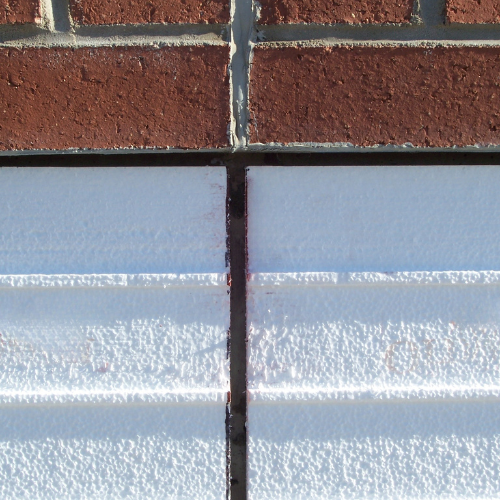
Old Mill Building Products designed the Panel+ system with integrated guide channels that align thin brick or stone veneer automatically. Installers don't need to measure and mark each course—the panel does that work for them. This feature alone can shave hours off each wall section.
The system offers two installation methods: adhesive-applied and mechanically fastened. Crews can choose the approach that best fits their site conditions and experience level. Both methods work with the same panel design, so there's no need for specialized training or equipment.
Why Does Moisture Management Affect Installation Speed?
Water intrusion causes more callbacks and warranty claims than almost any other building envelope issue. Traditional assemblies address this with separate drainage planes, flashing details, and ventilation gaps—each requiring additional labor and inspection points.
According to the U.S. Department of Energy, air movement accounts for more than 98% of water vapor movement in building cavities. Properly integrated air sealing and drainage systems are essential for long-term wall performance.
Panel+ incorporates cross-drainage channels directly into the EPS foam. These channels direct water away from the wall cavity and allow the drainage plane to dry efficiently. Because this feature is built into the panel, installers don't need to add separate drainage mat products or create custom ventilation details.
What Role Does Thermal Bridging Play in Wall Panel Performance?
Thermal bridging occurs when heat flows through highly conductive materials—like steel studs—that bypass the insulation layer. Studies from building science organizations indicate that thermal bridges can account for up to 30% of heat loss in insulated buildings.
Wall panels with true insulation in a single uninterrupted layer minimize these thermal bridges. Unlike batt insulation stuffed between studs, a panel system covers the entire wall surface without gaps. This approach delivers the R-value printed on the specification sheet, not a reduced effective value.
The Panel+ system offers R-4.8 per inch with thickness options from 1 inch to 4 inches (plus custom configurations). For a 4-inch panel, that's an R-value of approximately R-20—enough to meet or exceed energy code requirements in most climate zones.
How Do Code Compliance Features Save Time During Inspections?
Building code compliance adds time to every commercial project. Inspectors need documentation, assemblies must match approved drawings, and any deviation requires re-work or variance requests.
Old Mill Building Products' Panel+ system carries NFPA 285 fire test compliance for exterior wall assemblies. It also meets ASTM E84 Class A flame spread and smoke development requirements. These pre-tested assemblies give architects confidence during specification and help builders avoid field modifications.
The system's ASTM E2485 freeze-thaw certification matters for buildings in northern climates. Inspectors familiar with these standards can approve installations faster because the documentation already exists. Less time waiting on approvals means crews can move to the next phase sooner.
Which Project Types Benefit Most from Labor-Saving Wall Panels?
Multi-story commercial buildings with repetitive floor plates see the largest gains. When the same wall assembly repeats across dozens or hundreds of bays, the per-unit labor savings compound quickly.
Healthcare facilities, hotels, and multi-family residential projects often specify these systems. These building types have strict schedules, require consistent thermal and acoustic performance, and benefit from the reduced trade coordination that panel systems offer.
Modular and offsite construction companies also favor integrated panel systems. Because the panels arrive ready to install, they fit well into factory workflows where speed and predictability drive profitability.
In Conclusion: Evaluating Insulated Wall Panels for Your Next Project
Labor-saving wall panels earn their value by reducing complexity on the job site. Fewer installation steps, built-in moisture management, and pre-certified code compliance all translate to shorter schedules and lower costs.
When evaluating options for your next commercial project, consider how each system handles the full wall assembly—from sheathing to veneer. Systems that integrate insulation, air barriers, and drainage channels into a single product eliminate coordination delays and reduce the risk of installation errors.
Old Mill Building Products backs the Panel+ system with a 15-year warranty, giving architects and builders long-term confidence in their specification choice.
FAQs About Panel+ Wall System Labor Savings
How much labor can you save with the Panel+ wall system?
Panel+ can reduce labor costs by up to 60% compared to traditional multi-component wall assemblies. The integrated guide channels eliminate measuring and marking for each veneer course, and the single-panel design requires fewer installation steps overall.
Does Panel+ require specialized masons for installation?
No. Old Mill Building Products designed Panel+ so that crews without specialized masonry experience can achieve professional results. The built-in alignment features and flexible fastening options make installation straightforward for general contractors and their crews.
What R-value does the Panel+ system deliver?
Panel+ delivers R-4.8 per inch of thickness. With panel options ranging from 1 inch to 4 inches (and custom thicknesses available), you can achieve R-values up to approximately R-20. Old Mill Building Products' EPS core is GREENGUARD Gold certified.
Is Panel+ compliant with NFPA 285 fire safety requirements?
Yes. The Panel+ system has passed NFPA 285 fire testing for exterior wall assemblies. It also meets ASTM E84 Class A requirements for flame spread and smoke development, making it appropriate for commercial applications where fire safety codes apply.
How does Panel+ handle moisture in the wall assembly?
Panel+ includes built-in cross-drainage channels that direct water away from the wall cavity. Combined with Old Mill Building Products' fluid-applied weather barrier and ventilation channels, the system manages moisture without requiring separate drainage mat products.