
Choosing Insulated Wall Panels for Moisture Retrofits
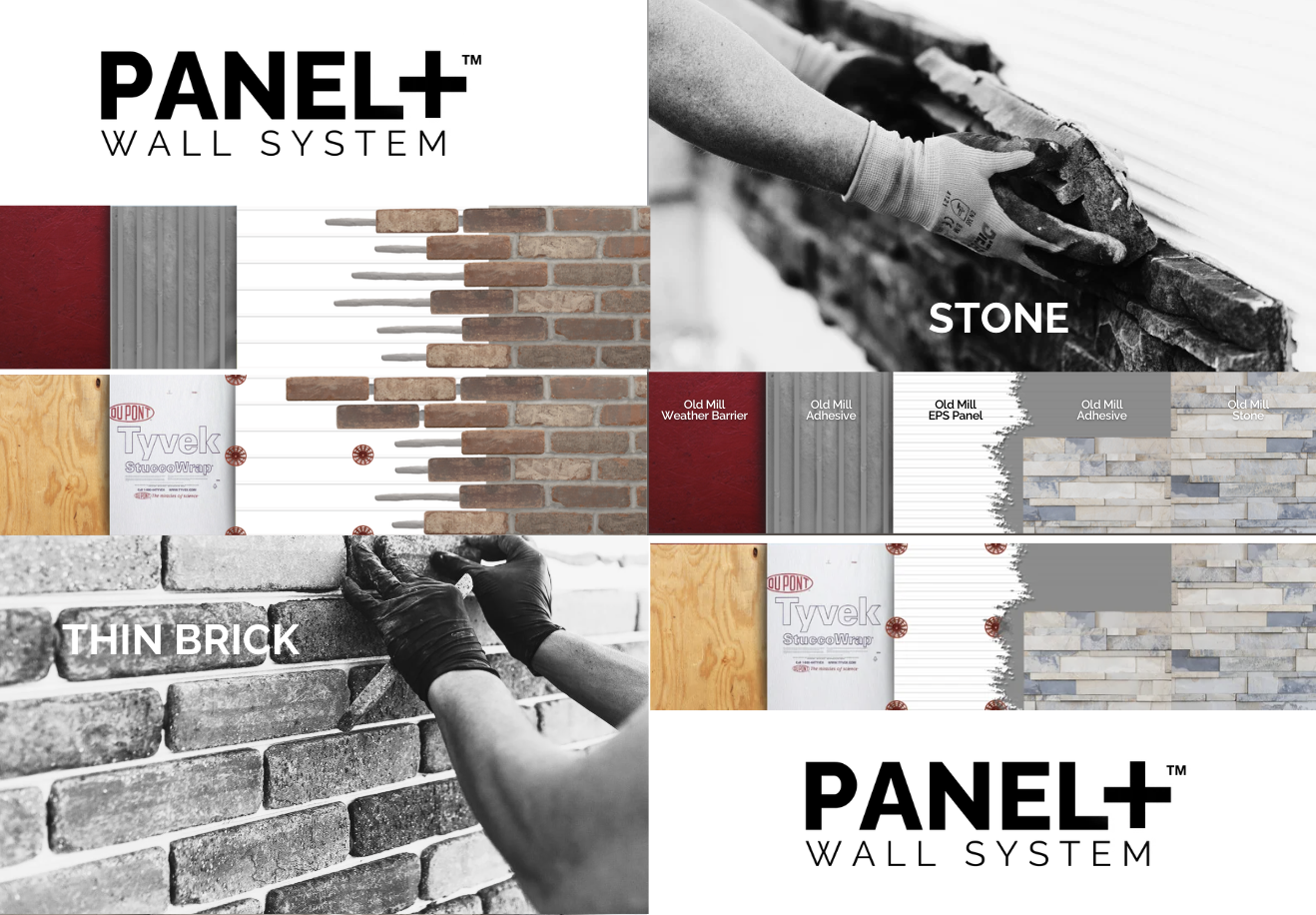
Moisture infiltration in older buildings creates major headaches for architects, builders, and property owners. Walls that lack proper insulation and moisture barriers lead to mold growth, structural decay, and skyrocketing energy bills. Old Mill Building Products helps you tackle these challenges with wall systems designed for both thermal performance and moisture protection. This guide walks you through everything you need to know about selecting the right insulated wall panels for moisture-control retrofits, from understanding fundamental concepts to evaluating specific criteria like drainage, ventilation, and installation efficiency.
You'll find step-by-step decision frameworks, technical specifications to consider, and practical insights for achieving code-compliant, long-lasting results. By the end, you'll have the knowledge to confidently specify wall panels that deliver both energy savings and reliable moisture management for years to come.
Key Takeaways: Choosing Insulated Wall Panels for Moisture Retrofits
- Effective insulated wall panels must include integrated drainage planes and ventilation channels to prevent moisture accumulation and structural damage.
- Look for panels with an R-value of at least R-4 per inch and verify NFPA 285 compliance for code-compliant exterior wall assemblies.
- Old Mill Building Products' Panel+ system combines insulation, weather barrier, and drainage in one assembly, reducing labor by up to 60%.
- Proper installation requires attention to substrate preparation, flashing details, and air sealing to maximize moisture protection.
- Evaluate total installed cost rather than material cost alone, factoring in labor savings, energy efficiency gains, and long-term durability.
What Are Insulated Wall Panels and Why Do They Matter for Retrofits?
Insulated wall panels are prefabricated building components that combine structural support, thermal insulation, and often weather-resistant barriers in a single assembly. Unlike traditional wall construction that requires multiple trades to install separate layers, these panels arrive ready to install over existing substrates.
For retrofit projects, this matters enormously. Older buildings often have minimal insulation, deteriorating weather barriers, or both. Adding insulation to these structures improves occupant comfort and cuts heating and cooling costs. According to the U.S. Department of Energy, properly insulated walls can reduce energy loss by up to 30% in buildings where thermal bridging was previously uncontrolled.
The retrofit context also presents unique challenges. Existing walls may have hidden moisture damage, irregular surfaces, or outdated materials that don't play well with modern building science. Insulated wall panels designed specifically for retrofits address these issues with features like drainage channels and vapor-permeable facings.
How Does Moisture Damage Wall Assemblies During Retrofits?
Moisture enters wall assemblies through four primary mechanisms: bulk water intrusion, air leakage carrying water vapor, vapor diffusion through materials, and capillary action. Understanding each pathway helps you select panels that block all potential entry points.
Bulk Water Intrusion
Rain, snow, and ground contact push liquid water directly into wall cavities. Wind-driven rain is particularly problematic, forcing water through tiny gaps in cladding and around window frames. Any retrofit panel system needs a robust drainage plane to redirect this water before it reaches structural components.
Air Leakage and Vapor Transport
Warm, humid indoor air escapes through cracks and penetrations in wall assemblies. When this air hits cold surfaces inside the wall, water vapor condenses into liquid. Research from Building Science Corporation shows that air leakage can transport up to 100 times more moisture into wall cavities than vapor diffusion alone.
Vapor Diffusion
Even without air movement, water vapor migrates through materials from areas of high concentration to low concentration. In winter, this typically means vapor moving from warm interiors toward cold exterior surfaces. In summer with air conditioning, the direction can reverse. Panels must manage this bidirectional vapor drive.
Capillary Action
Porous materials like brick and concrete wick moisture through tiny spaces between particles. Once water enters, capillary forces can draw it deep into wall assemblies. Effective panels include capillary breaks that stop this migration path.
What Performance Criteria Should You Evaluate for Insulated Wall Panels?
Selecting the right panels requires evaluating multiple performance attributes. Don't focus solely on R-value—moisture management and installation characteristics matter equally for retrofit success.
Thermal Performance and R-Value
R-value measures resistance to heat flow. Higher numbers mean better insulation. For retrofit projects, you'll want panels that deliver at least R-4 per inch of thickness. This allows you to achieve meaningful thermal improvements without excessive wall build-out that complicates window details and exterior trim.
Pay attention to how R-value is measured. Some foam insulations lose R-value over time as blowing agents dissipate. EPS (expanded polystyrene) maintains stable R-value throughout its service life, making it a reliable choice for long-term performance.
Drainage Plane Effectiveness
Every retrofit panel system needs a clear path for water to exit the wall assembly. Look for panels with engineered drainage channels that create physical separation between the insulation and potential moisture sources. These channels should extend continuously from the top of the wall to the bottom, allowing gravity to do its work.
The Building America Solution Center recommends drainage planes that lap over flashings at windows, doors, and wall penetrations. Verify that your chosen panel system includes clear detailing guidance for these critical transitions.
Ventilation and Drying Potential
Walls need to dry when moisture inevitably enters. Ventilation channels behind cladding materials allow air movement that carries moisture away. Panels with built-in ventilation space simplify installation while ensuring consistent air gap dimensions across the wall surface.
For climate zones with significant heating seasons, position ventilation channels so the assembly can dry primarily toward the exterior. In hot-humid climates, walls may need to dry in both directions, requiring careful attention to vapor permeability of all layers.
Air Barrier Continuity
The most effective air barrier is one that stays unbroken across the entire building envelope. Panel systems that integrate air barrier materials eliminate the need for separate membrane installation and reduce opportunities for gaps at seams. Look for systems with tested air leakage rates below 0.02 cfm per square foot at 75 Pascals pressure.
Why Does NFPA 285 Compliance Matter for Insulated Wall Panels?
Building codes require exterior wall assemblies containing foam plastic insulation to pass NFPA 285 fire testing on buildings of Type I, II, III, and IV construction. This standard evaluates whether flames can spread vertically and horizontally across wall surfaces during a fire event.
Specifying non-compliant panels creates significant liability and may require costly fire suppression additions or design changes late in the project. Old Mill Building Products designs the Panel+ system with NFPA 285 compliance built in, eliminating the need for additional fire-stop measures in typical applications.
When evaluating panel options, request documentation showing the complete tested assembly—not just the insulation component. NFPA 285 compliance depends on the entire wall construction, including cladding, sheathing, and attachment methods. A panel that passes with one cladding type may not qualify with another.
How Do You Assess Installation Efficiency for Retrofit Projects?
Labor often represents the largest cost component in retrofit projects. Panel systems that reduce installation time deliver direct savings while minimizing disruption to building occupants.
Substrate Requirements
Evaluate what surface preparation your chosen panels require. Some systems need perfectly flat, clean substrates, while others tolerate minor irregularities. For retrofits over existing masonry or stucco, tolerance for surface variation reduces prep time substantially.
Check whether panels can attach directly to common retrofit substrates like concrete masonry units, brick, or existing sheathing. Systems requiring intermediate framing or furring add labor and material costs.
Attachment Methods
Panel attachment typically uses adhesives, mechanical fasteners, or both. Adhesive-only systems require warm, dry conditions and may need temporary bracing during cure. Mechanical fastening works in wider conditions but requires careful fastener selection to avoid thermal bridging.
Old Mill Building Products offers both attachment methods for the Panel+ wall system. The mechanical fastening approach uses polymer-based washer fasteners that prevent thermal shorts while holding panels securely through insulation of any thickness.
Trade Coordination
Traditional wall assemblies require multiple trades working in sequence: framers, insulation installers, air barrier contractors, and then cladding applicators. Each handoff introduces scheduling delays and potential communication gaps. Integrated panel systems reduce the number of trades involved, streamlining project timelines.
What Drainage System Features Should You Look For?
Not all drainage planes perform equally. The best systems combine multiple features to ensure water exits quickly and completely.
Channel Geometry
Effective drainage requires sufficient channel depth and continuity. Shallow or interrupted channels can trap water, defeating their purpose. Look for panels with channels deep enough to maintain flow even if debris partially blocks them—typically at least 3/16 inch clear depth.
Channel orientation matters too. Vertical channels drain fastest but require cross-channels at the base to direct water toward weep openings. Some advanced panels include diagonal or grid patterns that provide drainage in multiple directions.
Material Compatibility
The drainage plane must remain compatible with all adjacent materials over the building's service life. Foam insulations can interact negatively with certain adhesives, sealants, or cladding materials. Request compatibility testing data for any unusual material combinations in your assembly.
Flashing Integration
Water that enters at wall penetrations must route onto the drainage plane, not behind it. Panel systems should include detailed flashing guidance for windows, doors, deck ledgers, and utility penetrations. Pre-cut flashing components sized for the specific panel geometry reduce field fabrication errors.
How Do You Evaluate Ventilation Performance in Wall Panels?
Ventilation behind cladding serves two functions: it accelerates drying of any moisture that enters the assembly, and it equalizes pressure differences that drive rain penetration.
Air Gap Requirements
Research indicates that ventilation gaps of at least 3/8 inch depth allow meaningful air movement. Smaller gaps may look adequate on paper but can become blocked by construction debris, insect intrusion, or mortar droppings from masonry veneers.
Some panel systems use spacer strips or standoff fasteners to create ventilation space. Others have integral channels molded into the foam. Integral channels typically maintain more consistent gap dimensions but may limit flexibility in cladding attachment methods.
Inlet and Outlet Provisions
Ventilation only works when air can enter at the bottom of the wall and exit at the top. Verify that your panel system includes starter strips or base details that allow air entry without admitting insects or bulk water. At the top, transitions to roof assemblies or parapets must maintain ventilation continuity.
Climate-Specific Considerations
In cold climates, ventilated cavities can increase heating loads by allowing cold air to circulate behind the cladding. This effect is usually minor compared to the moisture management benefits, but may influence panel selection for buildings with very high thermal performance targets.
In hot-humid climates, ventilated cavities reduce solar heat gain on cladding surfaces and help manage inward vapor drive from hot, humid exterior air contacting air-conditioned interior spaces. The ventilation benefit is particularly significant for dark-colored cladding materials.
What Role Does the Weather Barrier Play in Panel Performance?
The weather-resistant barrier (WRB) serves as the primary defense against bulk water and wind-driven rain. In integrated panel systems, this barrier may be a membrane applied to the panel surface, a coating on the insulation itself, or a fluid-applied material installed over the completed panel layer.
Barrier Position in the Assembly
Positioning the WRB at the outer face of insulation keeps the wall structure warmer and reduces condensation risk on cold surfaces. This outboard position also means any water that reaches the WRB stays outside the thermal layer, preventing moisture from reducing insulation performance.
Old Mill Building Products' Panel+ system places the Roll on Barrier—a fluid-applied weather-resistant membrane—directly over the EPS foam panels. This creates an uninterrupted air and water control layer without the laps and seams that can fail in sheet-applied barriers.
Vapor Permeability
A WRB that blocks all vapor movement traps moisture that enters from either side. For most climate zones, select barriers with permeability between 5 and 20 perms—high enough to allow drying, low enough to limit inward vapor drive during summer.
The Fine Homebuilding project guides recommend maintaining proper ratios of exterior insulation to cavity insulation to control condensation. When the exterior insulation keeps sheathing warm enough, vapor barriers become less critical and more permeable assemblies perform well.
Durability and Longevity
The WRB must last as long as the cladding above it, since replacement typically requires cladding removal. Evaluate UV resistance for any exposed installation period before cladding goes up. Check manufacturer warranties—better products carry longer coverage periods, indicating manufacturer confidence in long-term performance.
Step-by-Step Guide to Selecting Insulated Wall Panels for Your Retrofit
Follow this process to match panel capabilities with your specific project requirements.
Step 1: Assess Existing Wall Conditions
Before selecting panels, thoroughly evaluate the existing wall assembly. Remove sample sections of cladding to inspect sheathing and framing conditions. Look for moisture damage, rot, or insect infestation that needs remediation before new panels go on.
Document surface flatness and structural integrity. Identify any previous failed retrofit attempts that must be removed. This assessment determines what substrate you'll be working with and influences panel attachment options.
Step 2: Identify Climate-Specific Requirements
Your climate zone dictates minimum insulation levels and vapor control strategies. The International Energy Conservation Code specifies R-value requirements by zone—use these as your baseline, then consider exceeding them for improved performance.
Note the primary moisture drive direction. Cold climates push vapor outward in winter. Hot-humid climates may reverse this in summer. Mixed climates deal with both conditions at different times of year. Your panel selection must handle the dominant moisture loads for your location.
Step 3: Define Performance Targets
Set specific goals for thermal performance, air tightness, and moisture management. Rather than accepting minimum code requirements, consider what performance level makes economic sense over the building's remaining service life.
Factor in any sustainability targets like LEED certification or utility incentive programs. These may require documentation of specific material attributes or installation practices that influence panel selection.
Step 4: Evaluate Available Panel Systems
With your requirements defined, compare available panel systems against your criteria. Request complete technical data including tested R-value, air leakage rates, NFPA 285 compliance documentation, and drainage plane performance testing.
The Panel+ system from Old Mill Building Products offers R-4.8 per inch with integrated drainage channels and NFPA 285 compliance in tested assemblies. The 15-year system warranty reflects confidence in long-term moisture management performance.
Step 5: Verify Detail Compatibility
Panels don't exist in isolation—they must integrate with windows, doors, roofing, and foundation assemblies. Review available detailing guidance for these transitions. Identify any gaps where custom solutions will be needed and assess your team's capacity to develop them.
Request sample details from the manufacturer showing typical conditions. If your project includes unusual conditions not covered, ask whether engineering support is available to develop custom solutions.
Step 6: Calculate Total Installed Cost
Don't compare panel costs alone—calculate total installed wall assembly cost including all materials and labor. A more expensive panel that installs faster may deliver lower total cost than a cheaper panel requiring more field labor.
Include energy modeling results showing annual operating cost savings. Calculate simple payback period for the insulation investment. Most retrofit projects achieve payback in under 10 years through reduced heating and cooling bills.
What Common Mistakes Should You Avoid When Selecting Retrofit Panels?
Learning from others' mistakes saves time, money, and headaches. These issues appear repeatedly in failed retrofit projects.
Ignoring Substrate Moisture Content
Installing panels over wet substrates traps moisture in the assembly. Always measure substrate moisture content before installation and wait for it to dry to acceptable levels. For concrete and masonry, this typically means below 4% moisture by weight.
Overlooking Flashing Details
The most common water intrusion points are at transitions—window and door frames, deck ledger connections, and wall-to-roof interfaces. Rushed installation that glosses over these details creates problems that may not appear for years but eventually cause significant damage.
Selecting Based on R-Value Alone
High R-value means nothing if moisture destroys the insulation. A panel with R-6 per inch that fails due to moisture intrusion performs worse than an R-4 per inch panel with robust moisture management that lasts the building's lifetime.
Skipping Compatibility Testing
When combining products from different manufacturers, compatibility issues can surprise you. Adhesives that work fine with one foam type may dissolve another. Sealants that bond to some facings may not adhere to others. Test compatibility before committing to a material combination.
How Do You Ensure Proper Installation of Your Selected Panels?
Even the best panels fail when installed incorrectly. These practices help ensure your installation matches the tested assemblies that earned the panel's performance ratings.
Follow Manufacturer Instructions Precisely
Panel manufacturers invest heavily in developing and testing installation procedures. Departures from these instructions—even seemingly minor ones—can void warranties and compromise performance. Make sure installers have current installation guides and follow them exactly.
Document Installation Quality
Photograph key installation steps, especially at flashings and transitions. This documentation proves compliance with specifications and helps diagnose any future issues. Require daily installation reports noting weather conditions, materials used, and work completed.
Conduct Pre-Installation Training
New panel systems require learning even for experienced crews. Schedule manufacturer training before installation begins. This investment pays off through faster installation, fewer errors, and better final results.
Plan for Weather Limitations
Most panel adhesives require specific temperature and humidity ranges for proper cure. Mechanical fastening systems offer more weather flexibility. Know your system's limitations and plan installation timing to stay in acceptable conditions.
What Long-Term Maintenance Do Insulated Wall Panels Require?
Properly installed panels need minimal maintenance, but some periodic attention extends service life and catches problems early.
Annual Visual Inspections
Walk the building perimeter yearly looking for cladding damage, sealant failure, or signs of moisture intrusion like staining or biological growth. Address minor issues promptly before they become major repairs.
Sealant Replacement
Joint sealants typically last 10 to 20 years depending on exposure and material quality. Include sealant condition in annual inspections and plan for periodic replacement. Failed sealants allow water behind cladding where it can damage panels.
Drainage Path Verification
Verify that weep openings remain clear and functional. Insect screens at these openings can become blocked with debris. Blocked drainage forces water to accumulate rather than exit, potentially causing moisture damage inside the wall.
In Conclusion: Making Confident Decisions About Insulated Wall Panels
Selecting the right insulated wall panels for moisture-control retrofits requires evaluating multiple factors: thermal performance, drainage effectiveness, ventilation capacity, air barrier continuity, and installation efficiency. Understanding how moisture damages wall assemblies helps you appreciate why each of these factors matters.
Old Mill Building Products delivers wall systems that address all these requirements in a single integrated assembly. The Panel+ system combines EPS insulation, integrated drainage channels, and a fluid-applied weather barrier with NFPA 285 compliance and a 15-year warranty—reducing both installation time and long-term risk.
Use the selection framework in this guide to evaluate your options systematically. Define your performance requirements, assess available systems against those requirements, and verify that installation details work for your specific project conditions. This approach leads to successful retrofits that deliver energy savings and moisture protection for decades to come.
FAQs About Choosing Insulated Wall Panels for Moisture Retrofits
What R-value should I target for retrofit insulated wall panels?
Target at least R-4 per inch of panel thickness for meaningful thermal improvement. For most climate zones, total wall R-values of R-13 to R-20 meet current code requirements. Old Mill Building Products' Panel+ system delivers R-4.8 per inch, allowing you to achieve R-20 with 4-inch panels while maintaining manageable wall thickness for detail transitions.
How do drainage channels in wall panels prevent moisture damage?
Drainage channels create physical separation between the insulation and any water that penetrates the cladding. Water flows down these channels by gravity and exits through weep openings at the base of the wall. The Panel+ system from Old Mill Building Products includes cross-drainage channels that direct water to weep points even if vertical paths become partially blocked.
Why is NFPA 285 compliance important for exterior insulated wall panels?
Building codes require NFPA 285 compliance for foam plastic insulation in exterior walls of Type I through IV construction. This fire test verifies that flames won't spread uncontrollably across the wall surface. Old Mill Building Products tests Panel+ assemblies to NFPA 285 standards, giving architects and builders confidence that the system meets code requirements.
Can insulated wall panels be installed over existing cladding materials?
Installation over existing cladding depends on the cladding condition and type. Panels can often install over stable, well-adhered materials like stucco or EIFS. Loose or damaged cladding typically requires removal first. Old Mill Building Products recommends substrate assessment before specifying Panel+ to verify appropriate installation conditions.
How much labor savings do integrated panel systems offer compared to traditional assemblies?
Integrated panel systems can reduce installation labor by up to 60% compared to building separate insulation, air barrier, and drainage plane layers. Old Mill Building Products' Panel+ achieves these savings by combining all three functions in a single installation step, eliminating trade coordination delays and reducing total time on site.
What warranty coverage should I expect for quality insulated wall panels?
Quality panel systems typically carry warranties of 10 to 15 years covering material defects and performance. The Panel+ wall system from Old Mill Building Products includes a 15-year system warranty when installed according to manufacturer specifications. Longer warranties indicate manufacturer confidence in long-term durability and moisture management performance.